The Archives
The documents, the photographs and the research notebooks, in full — what the archives kept when memory could not. On the left, the inventory; here, the showcase.
The showcase — the pieces
The twenty pieces of the catalog, one by one. Each opens with the document in zoom, its provenance record, his voice and the full entry in the catalog.
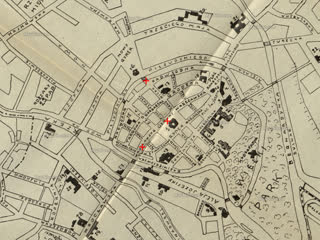 D01
D01The business directory: Herz's tailoring shop
1929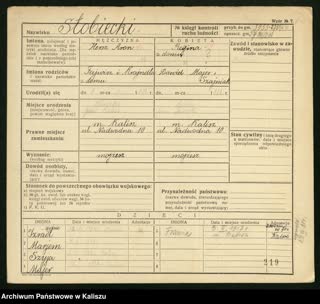 D02
D02The family registration card — the centerpiece
~1934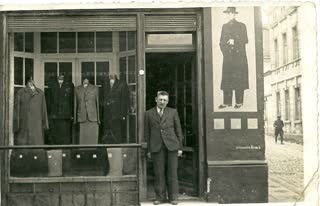 D03
D03The shop photo: Herz at the door
1936–37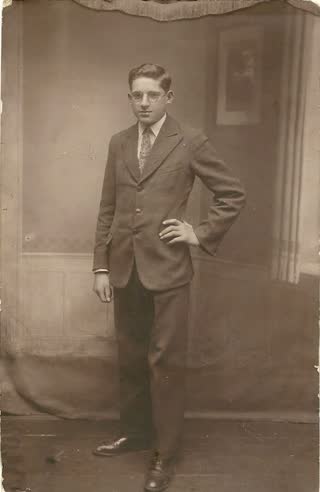 D04
D04The family photograph
25/07/1938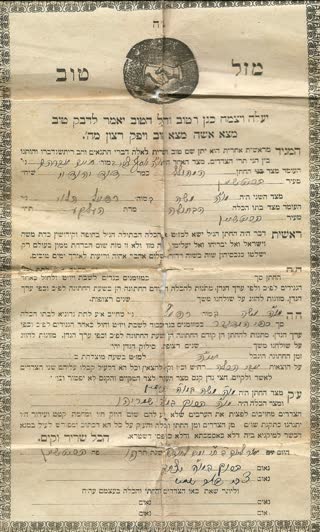 D05
D05The betrothal (tenaim) the family thought was the ketubah
pré-1939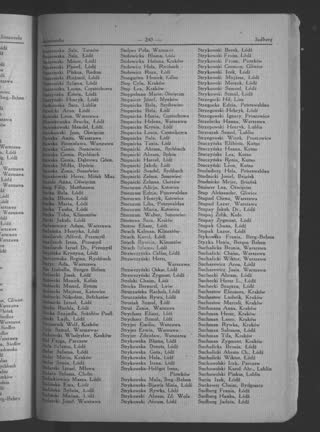 D06
D06"Stobiecki Moniek, Kalisz" — registered alive
1945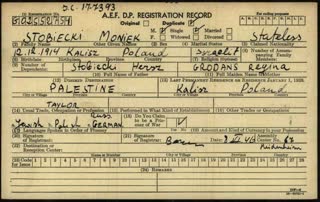 D07
D07The DP card — where "Grodans" was kept
08/06/1946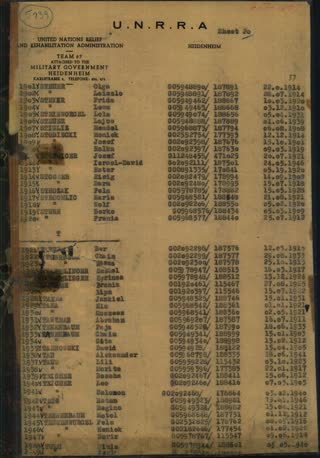 D08
D08Heidenheim and Stamsried — the German year
1946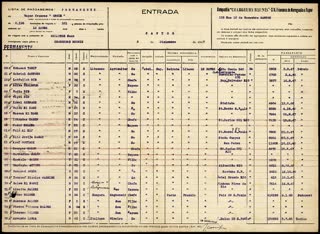 D09
D09The GROIX passenger list — line 29
06/12/1947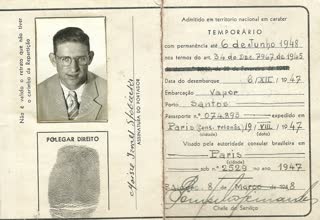 D10
D10The Brazilian admission card
08/03/1948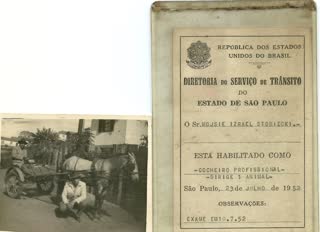 D11
D11"Professional coachman — drives 1 animal"
23/07/1952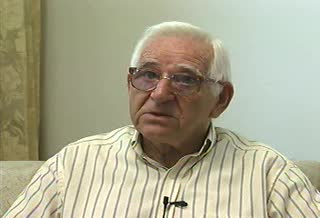 D13
D13Interview 35919's public record
1997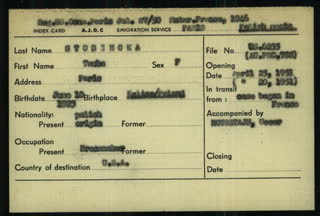 D14
D14Tauba Stobiecka — the other Stobiecki from Kalisz
1946–50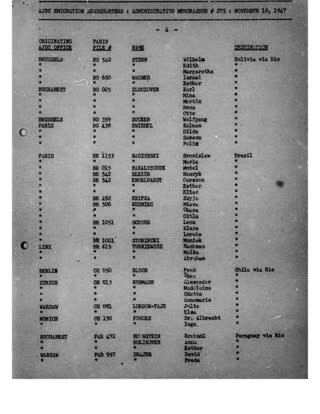 D15
D15The Joint memo — the organized departure
18/11/1947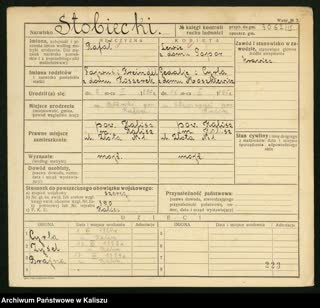 D17
D17The Annopol lists — a refugee Rafał
1939–41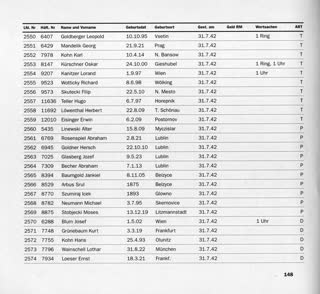 D19
D19The Lublin records — the place and the hour
1939–42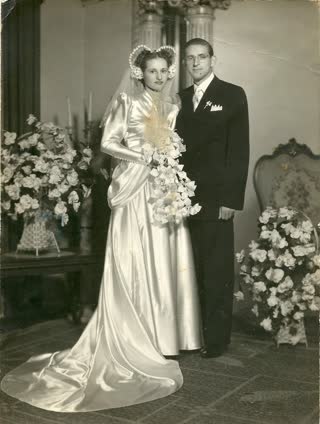 D18
D18The Brazilian trail
1950–2001D20Uncle Rafu's family — the photograph
anos 1930How to use this archive
The inventory on the left is a single one; the three lenses reorder it: by type (photographs, documents, notebooks), by origin (the archive that holds each piece) and by time (the decades). The filter searches item names; the site search (⌘K) searches inside the notebooks.
Each item opens with its provenance record: origin, reference, certainty, the file in the repository and the date of its last change. The notebooks are the research texts, published in full — the [mm:ss] timestamps lead to the minute in the interview; the codes D01–D20 lead to the catalog entry.
Nothing was restored or retouched: the grain, the yellowing and the blur are each document's journey. Names and dates of those born after 1950 stay with the family.