"Eu me pergunto sozinho: que jeito eu sobrevivi, que jeito eu estou aqui… Eu acho que eu sobrevivi só para contar a história.""I ask myself alone: how did I survive, how am I here… I think I survived only to tell the story."
Mojsie Izrael Stobiecki · Kalisz 1914 — São Paulo 2000
24s · [72:21]
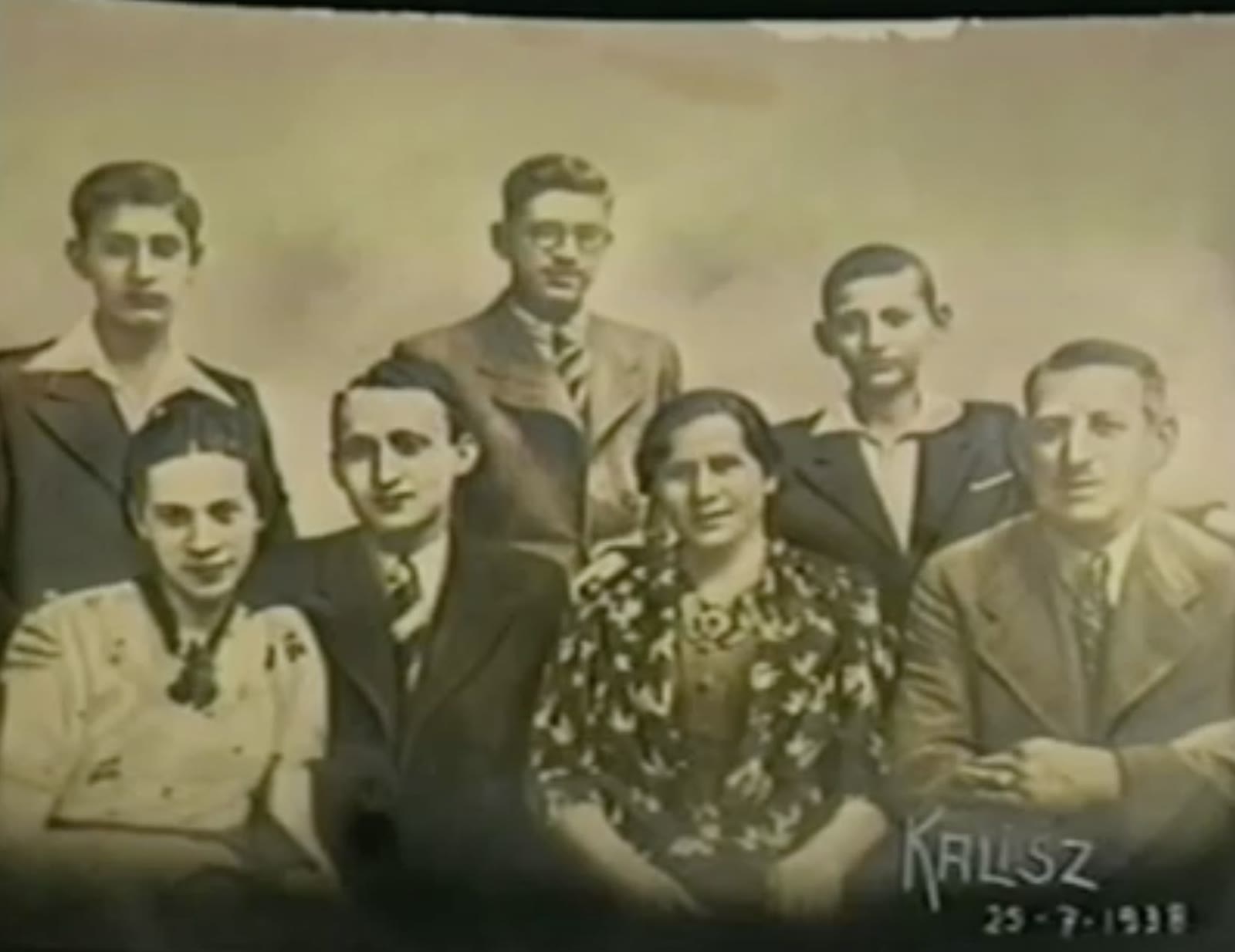
KALISZ · 25-7-1938
The whole family, thirteen months before the war. Standing: Szyja, Mojsie and the youngest, Majer; seated: Marisha and her fiancé, Regina and Hersz. Of this photograph, one survived.
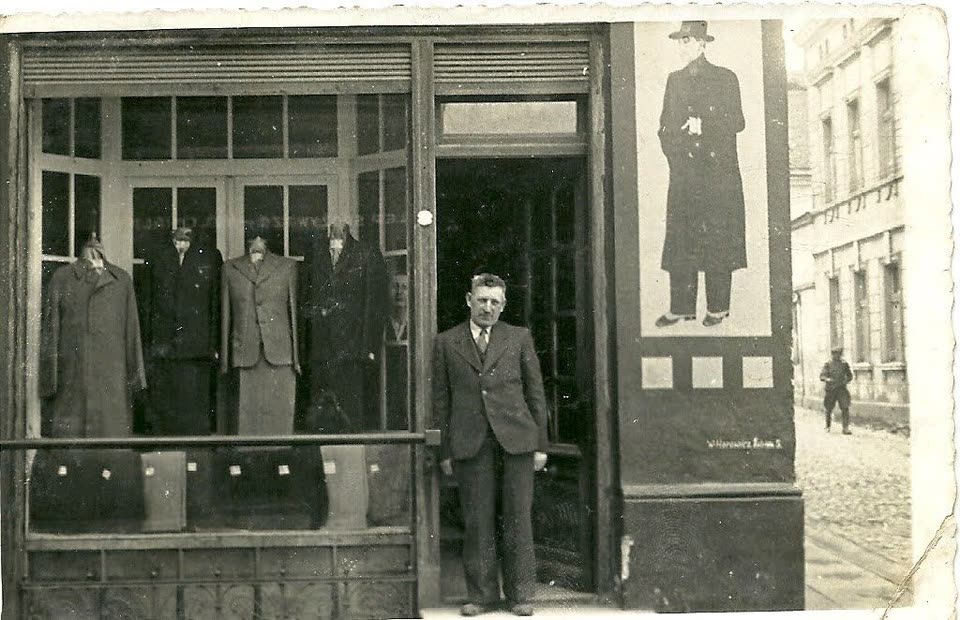
Word to his father
"…avisa para meu pai que eu estou passando aqui… meu pai já estava me procurando e me trouxe [tefilín] e pouquinho dinheiro. E assim eu fui para a guerra.""…tell my father I am passing through here… my father was already looking for me and brought me [tefillin] and a little money. And so I went to war."
September 1939. In retreat, he passes through his own city. It is his last memory of his father as a free man.
35s · [05:22]
The parting
"Meus pais: "Como eu vou fazer? Vou deixar tudo isso aqui?" E ficaram mais atrás de mim. Então, o meu irmão… combinei com ele, que ele toma conta…""My parents: "How would I do it? Am I to leave all of this here?" And they stayed behind. So my brother… I arranged with him to look after them…"
November 1939. He leaves for the Soviet zone. He never saw them again.
20s · [34:12]
The train
"…começou todo o trem… E todo o trem começando a gritar "água". Não deram. Deram só para comer peixe salgado e um pedacinho de pão… E muito sede e muito fome.""…the whole train began… the whole train shouting "water". They gave none. Only salted fish to eat and a scrap of bread… And so much thirst, so much hunger."
June 1940. Deported by the Soviets: two months in a boxcar of sixty.
27s · [40:45]
The lie that saves
"Não podia lá falar que meus pais tinham comércio… eu falei: meu pai era alfaiate… "O que se sabe fazer?" Eu sei costurar.""I couldn't say there that my parents had a shop… I said: my father was a tailor… "What can you do?" I can sew."
In the camp, a trade invented in one sentence becomes the trade of a lifetime.
32s · [62:05]
Majdanek
"E nós ocupamos lá e dormimos nas mesmas camas onde dormiram. E meus pais, minha e toda a família morreram lá.""And we were quartered there and slept in the same beds where they had slept. And my parents, mine and all the family died there."
July 1944. With the army, days after the camp's liberation. It is his statement; no document confirms or contradicts it.
11s · [55:37]
The neighbor's account
"Precisa tirar tudo que tinha lá, nas costas, põe na carroça. Tiraram os cavalos de carroça. Meu pai foi cavalo, precisa puxar carroça com tudo isso aqui.""Everything there had to be carried out on his back, onto the cart. They unhitched the horses. My father was the horse — he had to pull the cart with all of it."
1945. Back in Kalisz, a survivor tells him what happened. The caretaker who informed was never found.
17s · [87:04]
Alone in the world
"E quando eu fiquei liberado, eu fiquei na meia da rua: onde eu vou? Não tinha onde ir, nem dormir, eu não tinha onde comer.""And when I was discharged, I stood in the middle of the street: where do I go? Nowhere to go, nowhere to sleep, nowhere to eat."
Of the army medal, "only paper remained. Of my family, only paper remained as well." [90:13]
14s · [92:17]
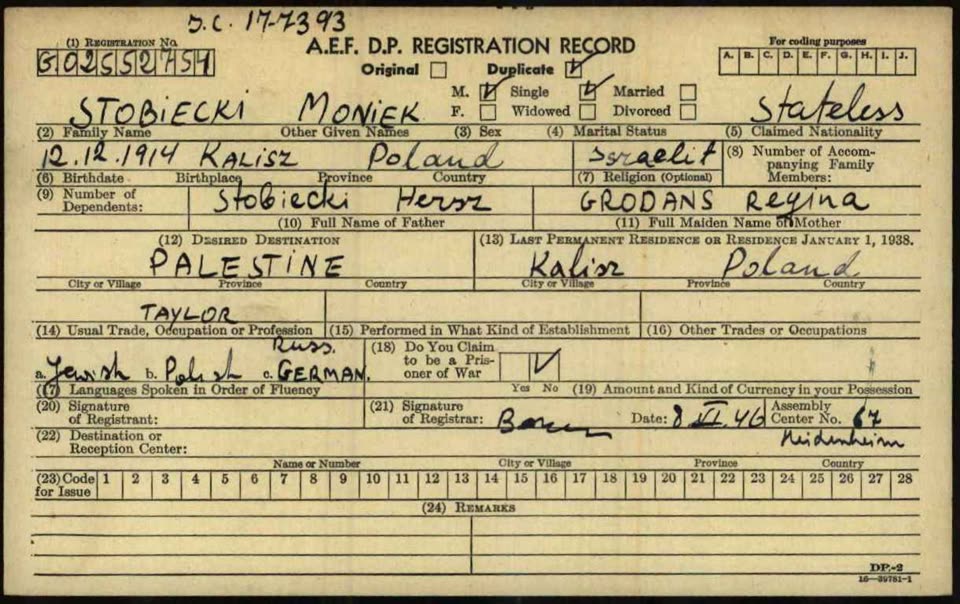
Stateless
Heidenheim, June 8, 1946. The displaced-person card: single, tailor, father Hersz, mother Grodans Regina. Desired destination: Palestine.
Paris — the trousers
""Se o senhor me quer aceitar, eu preciso sobreviver. Três meses eu vou trabalhar de graça… Só eu quero aprender a fazer a calça." Foi assim. Me ajudou, me convidou para almoço… e trabalhei três meses."""If you will take me, I need to survive. Three months I will work for free… I only want to learn to make trousers." That's how it was. He helped me, invited me to lunch… and I worked three months."
1946–47. The rebuilding, stitch by stitch.
23s · [97:58]
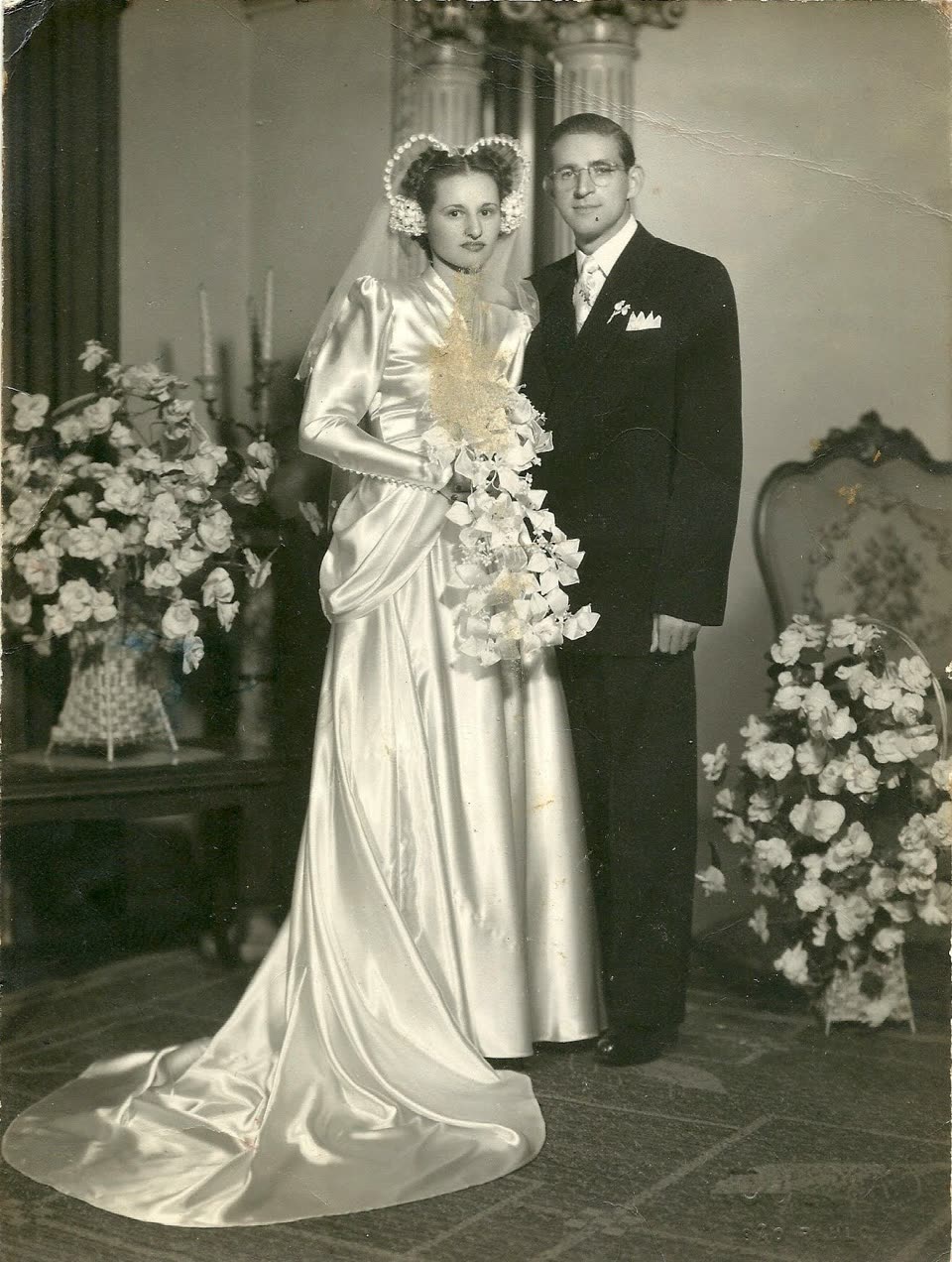
Line 29 — and the new line
Santos, December 6, 1947: one name on a nearly empty passenger list. São Paulo, June 3, 1950: Clara. The family the war erased begins to be answered.
The fifth miracle
"Eu me senti no mundo sozinho, sem ninguém. Mas eu perguntei a mim mesmo: será que eu vou ter família outra vez? Mas graças a Deus, como falei, casei, e família linda, estou aqui… tenho filhos, netos.""I felt alone in the world, with no one. But I asked myself: will I ever have a family again? But thank God, as I said, I married — a beautiful family, here I am… I have children, grandchildren."He numbered his miracles and never closed the series. The fifth is this:
38s · [119:22]
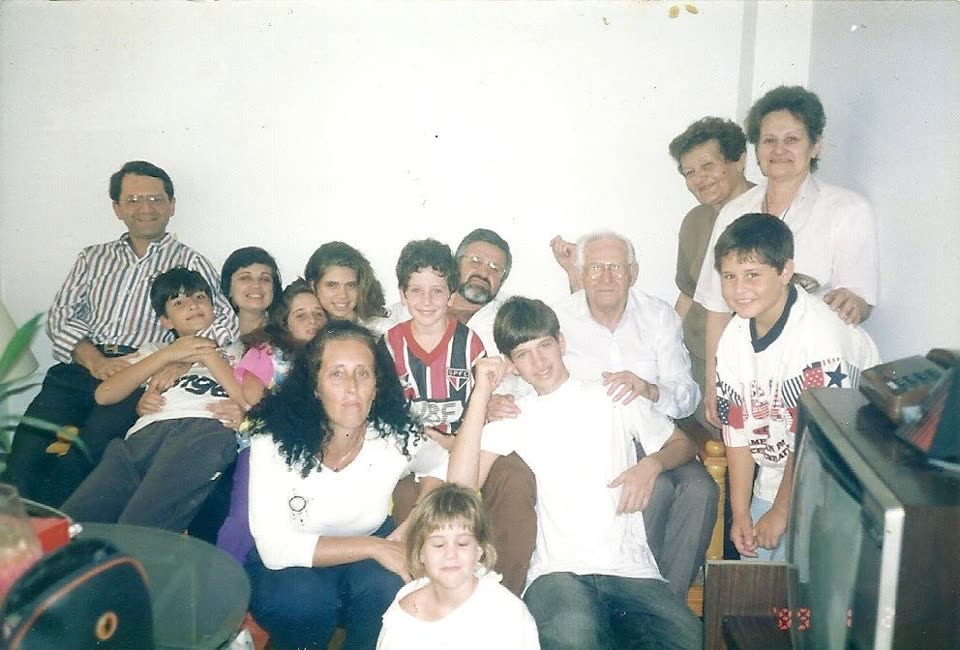
"Hoje eu sou feliz, um dia mais feliz. Estou reunindo aqui minha família, meus netos, meus filhos… E Deus me dá esses anos. E se Deus quiser, ainda tem muita coisa em frente.""Today I am happy — a happiest day. I am gathering my family here, my grandchildren, my children… And God gives me these years. And God willing, there is still much ahead."
November 25, 1997, his family in the room. (The photograph: January 2, 1989.)
32s · [135:38]